
In a society where you are what you buy, what you wear tells the world who you are. Rejecting quick-fix solutions for “getting the look,” denim fashion has turned to ethically made quality products that last longer than a single season. The patrons of this trend want clothes with authenticity and genuine stories.
RAW AND SELVEDGE DENIM
Since the turn of the millennium, a particular flavor of denim has gained popularity, mainly amongmen. Raw denim jeans usually thought of as the centerpiece of heritage fashion, are influenced heavily by predecessors produced in the nineteenth century all the way up to the 1950s. After that point, pre-washed and treated denim became increasingly common. Prior to that turning point, though, jeans were sold raw and were usually made of selvedge denim .” Selvedge ” refers to the authentic method of production on antique shuttle looms. And it almost went extinct in the1980s.
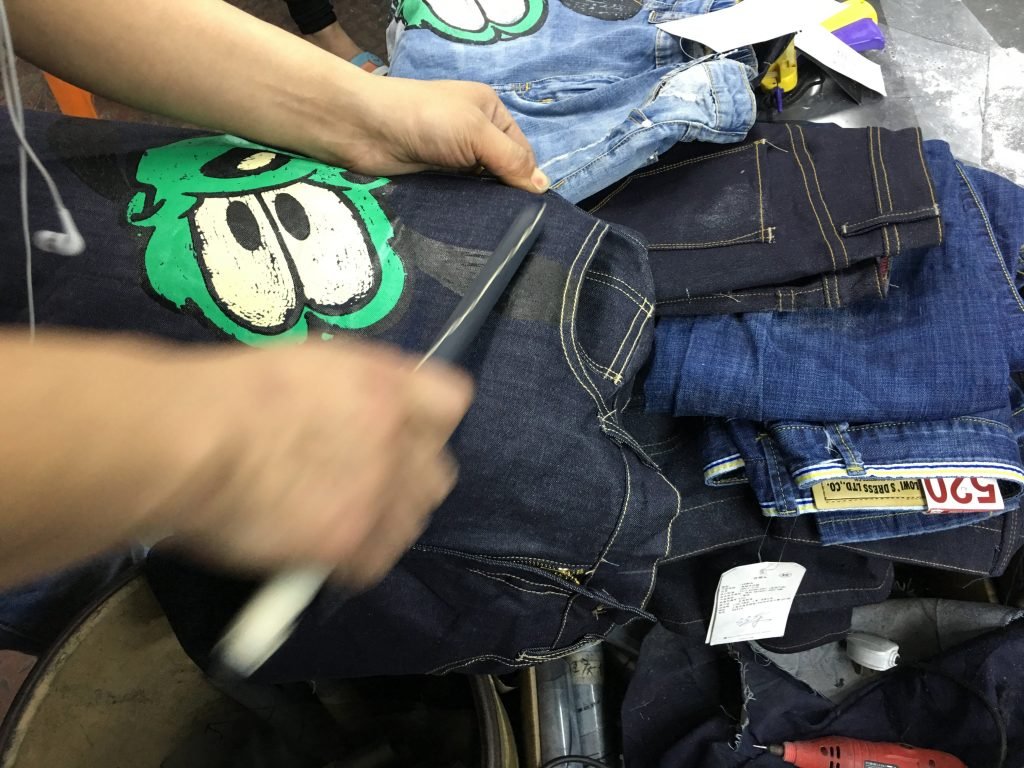
Only in one market did selvedge denim survive and it was not Europe, where denim was invented, nor in NorthAmerica, the birthplace of blue jeans. The only market with sufficient demand for selvedge denim to enable it to survive was Japan. But initially, the Japanese did not produce a single yard of selvedge denim. They quite literally had to re-engineer their entire denim production system to be able to make the fabric that they have since become so renownedfor.
Legend has it that after the Second World War, the United States shipped all of its shuttles looms to Japan in an effort to help rebuild the country. This urban legend, like most, has been largely disproved, though Japan did receive some coveted shuttle looms as part of the Marshall Plan. Regardless of where the looms came from, the important part is that these slower, mechanical looms are the ones used to make selvedge denim. As the result of a swell of interest in American culture, largely focused on midcentury Americana, by the 1980s the Japanese had re-engineered their shuttle looms to make this special kind of denim, which had largely gone extinct in the rest of the world.
Interest in selvedge and raw denim fashion was initially a niche passion cultivated on internet message boards where denim aficionados, also known as denimheads, denim pur-ists, or even denim nerds, would share photos of expensive heritage jeans imported from Japan. But it has grown andspread. Today, selvedge denim is more alive and well than ever before, and it is certainly getting more public attention than any denim maker could have ever imagined. The fashion reaches far beyond the innovators that started itall. Proof of this is that brands like The Gap, J. Crew, and H&M, which usually target the mass-market consumers, have selvedge and raw jeans in their collections. This kind of denim represents quality, authenticity and a “less is more”aesthetic. For Tony Patella of Tellason, ” this is the genesis of the heritage movement-a desire to get some damn wear out of the things we buy, even if they cost more ( cost per use is key ). ” And it does not hurt that, in the course of getting some wear out of them, raw denim jeans fade so beautifully.
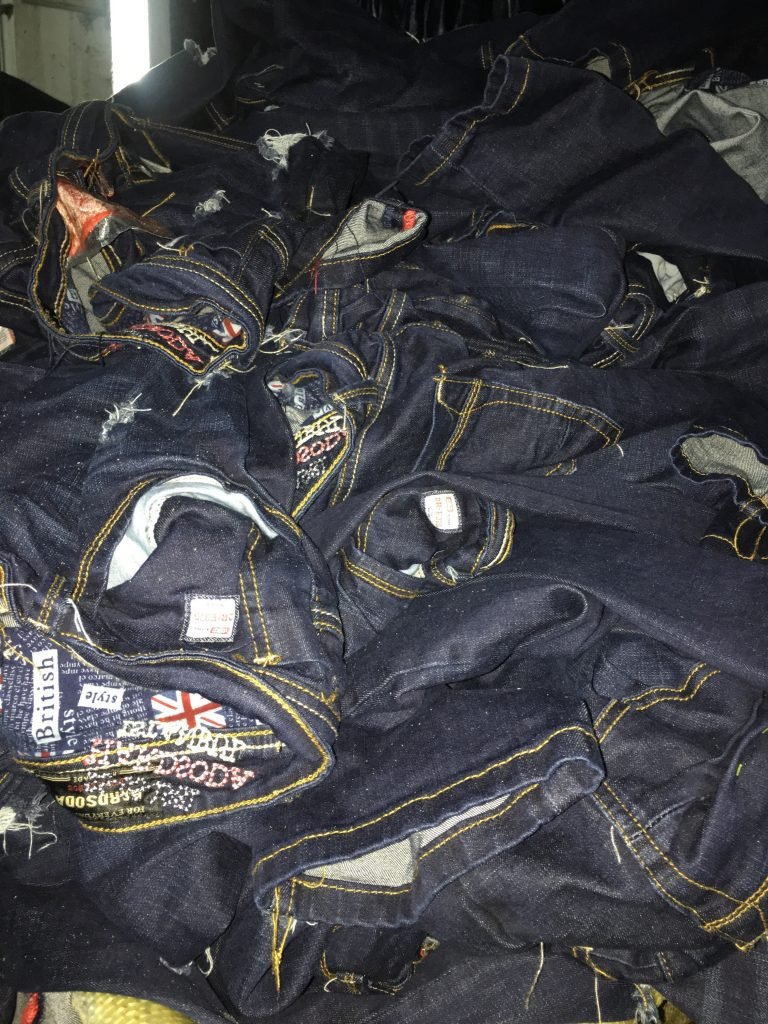
While denimheads were not the first to love raw denim for its looks, they were probably the first to love it for how it fades. The fading process is a result of the way indigo dye interacts with cotton yarn. Unlike most other dyes, indigo does not fully penetrate the yarn. Instead, the dye coats the yar. Think of it like dipping your finger into hot wax a few times. As jeans are worn these layers wear or ” crock ” off .producing fades.
THE ALLURE OF RAW DENIM
What previous peaks in raw denim interest lacked was the internet. On discussion boards, forums, and blogs, denim heads debate how to get the ” best ” fades and share pictures of them like hard-earned trophies. These early adopters helped the trend explode. Usually, when a trend hits critical mass, innovators and early adopters abandonit. They feel distanced from the trend as commercialization distorts the original ideas and values behind it. To some extent, this has also happened to heritage denim fashion, which is why some innovators and early adopters will say that the heritage scene is dead.
What is special about this fashion is that it is not merely a fad-it cannot be ascribed to one single style or one single brand. Being into denim has become a hobby; some would even call it an obsession. With heritage fashion, men approach denim like they would sports gear, cars, motorcycles, and other gadgets. It is masculine and functional. Talking about how you have washed your raw denim jeans or mildly bragging with your knowledge of complicated production methods is a lot like jawing about horsepower and torque with your gearhead buddies.
Even though many are autodidactic experts, they find it perfectly natural to discuss in great detail the rather complicated production methods involved in making a pair of jeans. They will spend countless hours researching and debating online how they wash their jeans. For most denimheads, it is not only about how you look, it is about how you got the look: the months, years, or even decades you spent breaking in your jeans. This means there are a lot of emotions tangled up in the garment. It is about personal and authentic storytelling, which is essentially the heart of heritage fashion.