
With a plethora of jeans available, finding the perfect pair is no easy task. When navigating the many options, take into account your budget and the fit, styling, and brand of the jeans and you will more likely make a choice that you will be happy with.
PRIORITY NO . I: BUDGET
Buying new jeans can be really fun. If you are reading this article, chances are you know the rush of picking up a crisp pair from an intoxicating sulfur-and-indigo scented denim haven or from your favorite online denim destination. But buying jeans that you know for certain you will wear is even more satisfying. The first step to happiness when it comes to jeans shopping is to consider your budget.

Find Your Jeans Budget
Not everyone has the same priorities for how much they are willing to spend on jeans. That is totally fine . But your budget will naturally set certain limits on your options. If you are on a $50 budget, you should not be looking at $150jeans. If you are on a $150 budget, it does not make sense for you to be browsing the $500 selection. It is like browsing for five-bedroom penthouses when you are only barely able to afford the two-bedroom apartment you live in. Whatever you are willing to spend on your jeans, follow the ” less is more ” philosophy . Buy that one expensive pair of jeans you really want instead of three pairs you think will make you happy and satisfied. However, be aware that the fact that a pair of jeans is three times the price of another does not necessarily mean the more expensive option will also last three times as long .All too often, the jeans we buy are not actually the jeans we want. The best way to avoid this is to know your budget. If you have set your heart on that one specific pair you feel is out of your budget range, do not try to fill the void inside you that silently screams ” gotta have new jeans ” by springing for the second-best alternative, which is conveniently a third of the price. Instead, pocket the money, save up for that special pair you really want, and wear what you have at home until you feel you can afford your dream jeans. As satisfying as it might feel at first to buy those second-choice jeans, chances are you will soon start revisiting the stores that stock the jeans you really wanted. At the end of the day, paying a premium for jeans you really want means you will be more satisfied with them and as a result, you will likely wear them more. The price per wear is likely to be lower, especially if they cost more because of the way they are made and not because of the name of the brand. However, regardless of what you are willing to pay, price is not the only factor you should consider .
PRIORITY NO. 2: FIT
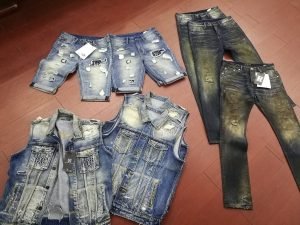
One of the reasons we feel we need to buy new jeans all the time is because the fashion of fits constantly changes.Even hardcore denim enthusiasts, who otherwise choose garments for their originality, wear contemporary slim fit jeans. After all, a slim fit can look very flattering if you have the body for it. The problem is that not all fits fit everybody type-yet many people still follow fashion trends instead of wearing jeans that actually fit them. No matter how great the price, how fancy the styling, or how popular the brand: if the jeans do not fit, you should not buy them.Now, when we’re talking about fit, we are not talking about the size of the jeans. Finding the right size is a differ-ent discussion altogether . The fit is how the right size fits your body. It is how the jeans work to highlight your best attri-butes. Originally, denim was used for workwear: everyday apparel that had to be durable rather than fancy. The fits were generous and worked for a huge variety of body shapes. When the jeans business entered the world of fashion, designers began improving the fits and targeting specific looks. Here we come to the critical point: how can a designer create jeans with a specific look for the mass market when the final fit is highly dependent on the ergonomics of the individuals who actually wear them?
How to Find the Right Fit
Generally speaking, there are three criteria you need to consider when it comes to finding jeans that fit you: bodytype, height, and age.Your body type is how you are built . If you are slim like a drainpipe, a skinny fit will surely look great on you. If you have thighs like tree trunks, a tapered fit is usually the most flattering. Do not make the mistake of wearing loose-fit jeans as a default. And if you are of average build, you can probably wear both slimmer and looser fits. But be aware that slimmer fits have a tendency to accentuate knock-knees and bowlegs.In addition to your build, the taller you are the looser you can wear your jeans. If you have short legs, loose fits and overly long jeans will make your legs look shorter than they are. Wearing your jeans low slung makes it even worse . On the other hand, if you wear your jeans high and just the right length, your legs can appear longer, even with loose fits.When you have found a fit that works for your build and height, think about whether it fits your age. Some trends do not transcend age very well. Skinny jeans area good example. Good for you if you still have the body of a 20-year-old when you are in your forties or fifties-that does not mean you should dress like a teenager. Basically ,the younger you are , the tighter the jeans you can wear .When you have found a fit you like , try it on . If that is not an option, measure it against one of your favorite jeans to find out what size you need. Never blindly follow size tags if you do not have experience with the brand, fit, and fabric, and remember that unsanforized fabrics will generally shrink up to 10 percent. That being said, most jeans are pre-shrunk today or are often advertised as shrink-to-fit. As stretch denim is becoming the norm, especially for slimmer fits, it is actually the growth of the fabric you should be concerned about.If you are looking for something contemporarily lean ,a stretch denim will probably do the trick . If you prefer a wider authentic fit, you might want to opt for a rigid denim instead. At the end, which fit you wear should not be dictated by trends, what your friends wear, or even what fabric you prefer. Instead, go for the jeans that suit your body. Once you can check that off the list, consider how you will wearthem.
How the Demand for Tighter FitsHas Changed Denim
The growing demand for tighter-fitting jeans has been one of the drivers of research and innovations in stretch denim, which has escalated considerably in the 2000s and 2010s.While a pair of slim-fit rigid denim jeans can look smashing if you have the body for it, skin-tight denim made from100 percent cotton is not particularly stretchable and such jeans can be uncomfortable, if not unwearable. The slim-fit pioneers that wore their jeans before stretch denim was invented sucked it up and accepted that being uncomfortable was a necessary evil in the quest to look good. After all, they did not have a choice. But the omnipresence of slimmer silhouettes for jeans has meant there is now an abundance of stretch denim available. While many purists would argue that stretch denim is not aesthetically as beautiful as rigid denim, the industry is now making even high-elasticity denim that is visually more or less identical with 100 percent cotton denim. As most consumers do not notice the difference between a rigid and stretch denim, they are more than willing to trade some measure of authenticity for the increased comfort of a stretch fabric.
PRIORITY NO. 3: STYLING
The best part about shopping for new jeans is geeking out about the construction, the branding details, and the fabric and finishing: in other words, the styling of them and the details before you know jeans. But starting with the details sure you know how much you are willing to spend and have found the right fit is like decorating a home before you know how big it is or what kind of storage you need.The same goes for the style of your jeans .The goal is to choose jeans that will match your style and work with the rest of your wardrobe. That at you and town to the same thing want an ahaneaThe styling of jeans is something we often choose intuitively. Either we like it or we don’t. If you break it down into the elements of construction, branding, fabric, and finish, it becomes much easier to make an informed choice.The construction is how the jeans are cut and sewn. It is how the methods used to make the yoke or the inseam silently refer to a specific era in denim history. whether a seam is flat-felled or overlocked and topstitched is something jeans designers are very aware of ( at least they should be ) and which aficionados meticulously inspect. It can be a deal-breaker for some if the hems are not chain-stitched. The thread color also impacts the styling of the jeans considerably. The exact same fit and fabric will look elegant with tonal stitching while contrasting tobacco stitching will convey true-to-the-roots styling. The back pocket stitching, or the lack of it, also says a lot. The more obvious details such as labeling, patches, and rivets naturally also impact the styling. Go for clean and minimalistic labeling if you are wearing jeans with a smarter outfit. The more authentic tab labels, branding patches, cinch backs, and exposed rivets that scream heritage denim can look really out of place if you wear the jeans with a dress shirt or a blazer as part of an office-appropriate outfit. The denim itself and especially how it has faded is arguably the most noticeable styling cue. Whether you broke the jeans in yourself or bought them pre-distressed, the more worn-out your jeansare, the less formal the outfit you can wear them with. In the end, style is a very personal subject and therefore not easy to discuss objectively. The point is that you should think about how the styling of the jeans suits your style in general.
PRIORITY NO. 4: BRAND
In the early days of jeans, a brand was mainly used to signify tangible features and benefits like durability or a unique strengthening design. Today, it is so much more than that. Think about that guy you know who would say, ” I only wear Levi’s. ” He has worn 501 jeans all his life and he will probably never wear anything else. That is why the brand is the strongest asset any company has: because it speaks to ouremotions. What that lifelong brand loyalist ( probably ) feels is confidence. security, and trust. Those are feelings that are pretty hard to fake and it usually takes years of hard work to make the consumer feel them. And brands certainly know this. The immense importance of the feelings associated with a brand is why everyone is using storytelling these days-it drives a lot of sales. While the feelings we have for a brand are important for how confidently we will wear a pair of jeans, disregarding your budget, whether the jeans fit you, and how they suit your style just to buy a certain brand will usually not make you happy. If you stretch your budget, buy something that does not fit you or is not your style, it does not really matter if the jeans have the right logo on them. You will not be wearing jeans with confidence. There is also the risk that you might be perceived as inauthentic. All too often, we buy brands for what we believe others will think of us. That is called conspicuous consumption. It is fine to get a little boost of confidence from wearing a certain brand of jeans, but do not let the brand become your only lodestar. Once you have found a brand that meets the three previous criteria, consider how it makes you feel. Familiarize yourself with the story and values of the brands you find interesting and choose the brand that best reflects your own values.